DeFi's Post-Crash: A Stark Numerical Divergence
```markdown
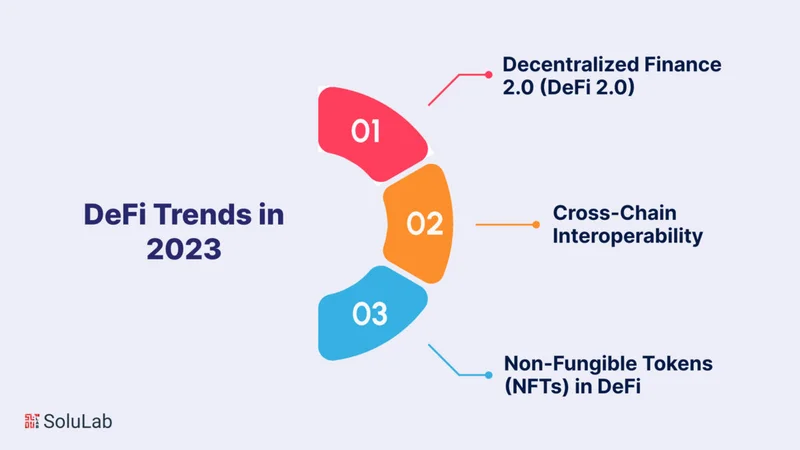
Solana's "Discount": A Real Bargain, or Just Clever Marketing?
Solana. It's the blockchain that seemingly everyone has an opinion on. You either love the speed and low transaction fees, or you’re still scarred from the network outages of the past. But lately, I’ve been seeing a lot of chatter about Solana trading at a "55% discount" from its all-time high. The implication, of course, is that it's a screaming buy. But is it, really? As someone who spent years sifting through financial statements, I'm always wary of simplistic narratives, especially when they involve percentages divorced from context.
DeFi Sector Performance Post-Crash
The first thing to note is the DeFi sector's overall performance post the October 10th crash. FalconX data shows that, as of November 20, 2025, only 2 out of 23 leading DeFi tokens were positive year-to-date. The group was down 37% on average for the quarter. In that environment, a "discount" might just mean Solana is performing slightly less badly than its peers, a low bar to clear. For a deeper dive into these trends, see "DeFi Token Performance & Investor Trends Post-October Crash".
The Misleading Nature of All-Time Highs
Then there's the question of what that 55% discount is benchmarked against. All-time highs are seductive, but they can be misleading. Markets are forward-looking. That high might have been driven by hype, irrational exuberance, or factors that are no longer relevant. What if the fair value of Solana was always lower, and the market is just correcting?
Solana's Network Capacity and Limitations
Solana's own documentation states the peak daily non-vote transactions were roughly 200-250 million. That's a decent number, but it also reveals the network's sensitivity to spikes in demand, like NFT drops. It's great that Solana can handle 1,000+ transactions per second (TPS), but if a single NFT launch brings the whole thing to its knees, that theoretical throughput becomes less impressive. (Network reliability is high, minor interruptions typically during software updates or stress periods).
Examining DeFi and NFT Activity on Solana
The other argument for Solana is its growing DeFi and NFT activity. The narrative goes: more users, more transactions, more demand for SOL, higher price. But let's dig a little deeper. The data shows DeFi TVL (Total Value Locked) at $5.1 billion and NFTs at $1.2 billion. Those are decent numbers, but how sustainable is this growth? Are these real users or just bots and whales gaming the system for yield? And how much of that TVL is genuinely new capital versus just recycled funds moving from one DeFi protocol to another?
Sustainability of Lending and Yield Platforms
And this is the part of the report that I find genuinely puzzling. If lending and yield names declined considerably less than fees, what does that mean for the long-term sustainability of these platforms? Are investors flocking to lending names simply because they perceive them as "safer" in a downturn, or is there a fundamental shift in investor behavior?
Solana's Association with High-Risk Investments
The "15 Next Cryptocurrencies to Explode in 2025" article lists Solana alongside meme coins and presale projects. (Not exactly the company I’d want to be keeping.) While the article highlights Solana's "huge growth potential in the global smart contract market," it also notes that SOL tokens trade at a 55% discount from previous all-time highs. The self-correction for precision I'd like to make here is that these tokens trade at a 55.38% discount, not just 55%.
Acknowledged Risks in the Bullish Case
Even the bullish case for Solana acknowledges the risks. The Solana analysis admits validator concentration, regulatory developments, and competition from other Layer-1 solutions could all affect adoption. These aren't minor caveats; they're existential threats.
Is This "Discount" a Trap?
So, what's the real story? Is Solana a bargain, or is this "discount" just a clever marketing ploy to lure in unsuspecting investors? My analysis suggests it's somewhere in between. Solana has undeniable strengths: speed, low fees, and a growing ecosystem. But it also faces significant challenges: network congestion, validator concentration, and intense competition.
The crucial question is whether Solana can overcome these challenges and deliver on its promise of a scalable, decentralized future. If it can, then the current price may indeed represent a buying opportunity. But if it can't, that "55% discount" could turn into a 90% loss. Approach with caution.
Buy the Gossip, Sell the News
```

-
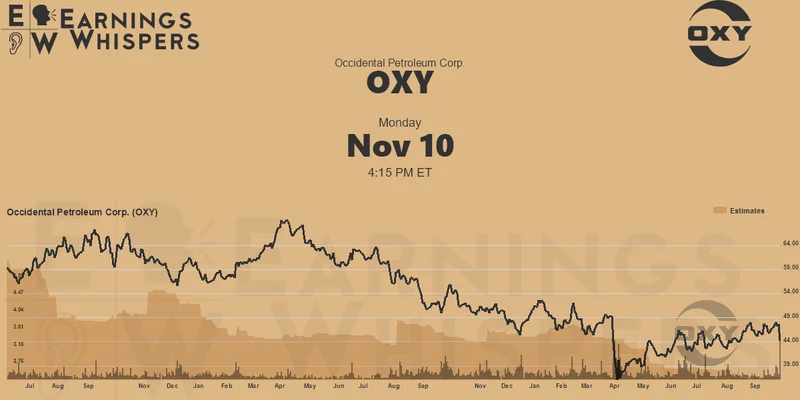
Warren Buffett's OXY Stock Play: The Latest Drama, Buffett's Angle, and Why You Shouldn't Believe the Hype
Solet'sgetthisstraight.Occide...
-

The Great Up-Leveling: What's Happening Now and How We Step Up
Haveyoueverfeltlikeyou'redri...
-

The Future of Auto Parts: How to Find Any Part Instantly and What Comes Next
Walkintoany`autoparts`store—a...
-

Applied Digital (APLD) Stock: Analyzing the Surge, Analyst Targets, and Its Real Valuation
AppliedDigital'sParabolicRise:...
-
Analyzing Robinhood: What the New Gold Card Means for its 2025 Stock Price
Robinhood's$123BillionBet:IsT...
- Search
- Recently Published
-
- DeFi's 2025 Reality: Post-Crash Investor Trends
- DeFi's Post-Crash: A Stark Numerical Divergence
- Uber Ride Demand: Cost Analysis vs. Thanksgiving Deals
- Stock Market Rollercoaster: AI Fears vs. Rate Hike Panic
- Bitcoin: The Price, The Spin, & My Take
- Asia: Its Regions, Countries, & Why Your Mental Map is Wrong
- Retirement Age: A Paradigm Shift for Your Future
- Starknet: What it is, its tokenomics, and current valuation
- The Future of Tax: Decoding Your 2025-2026 Tax Brackets and Preparing for Tomorrow's Financial Landscape
- Dairy Queen Chapter 11: Unlocking the 'jackpot' of its next chapter
- Tag list
-
- Blockchain (11)
- Decentralization (5)
- Smart Contracts (4)
- Cryptocurrency (26)
- DeFi (5)
- Bitcoin (31)
- Trump (5)
- Ethereum (8)
- Pudgy Penguins (6)
- NFT (5)
- Solana (5)
- cryptocurrency (6)
- bitcoin (7)
- Plasma (5)
- Zcash (12)
- Aster (10)
- nbis stock (5)
- iren stock (5)
- crypto (7)
- ZKsync (5)
- irs stimulus checks 2025 (6)
- pi (6)
- hims stock (4)
- kimberly clark (5)
- uae (5)